.png)


☀️🐾 LAS VEGAS DOG HEAT SAFETY Why Dogs Overheat Faster — and How to Help Them Cool Safely

*Disclosure: We only recommend products we have used ourselves and trust. This post may contain affiliate links and we may earn a small commission at no additional cost to you.
Las Vegas heat can become dangerous for dogs very quickly. Understanding how dogs actually regulate body temperature can help prevent heat exhaustion and heat stroke.
Dogs Cool Differently Than Humans
Humans cool primarily through sweating across the skin, allowing air to lower blood temperature quickly.
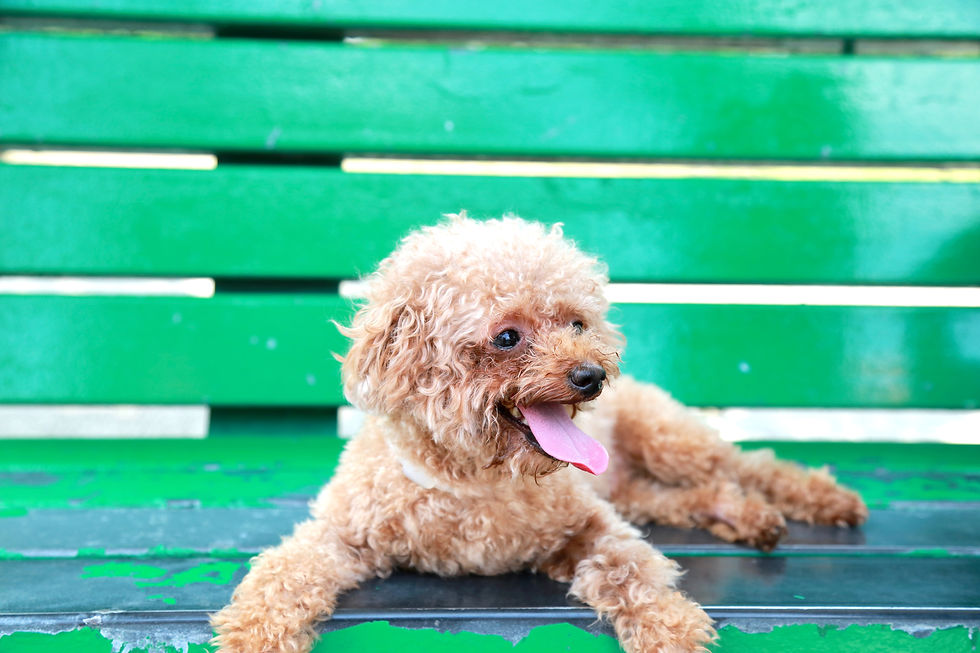
Dogs cool mainly by panting, which moves air across moist tissues in the mouth, throat, and lungs.
Dogs do have sweat glands, but they are located mostly in the paw pads and play only a minor role in temperature regulation.
This means dogs are generally less efficient at cooling their core temperature compared to people.
The “Forest Coat” Analogy
Think of a dog’s coat like a forest.
When fur is dry and lifted, air can move between the hairs — similar to wind moving through trees.
When dense fur becomes lightly wet, the hair can mat down and reduce airflow through the coat.
Because of this, light misting or sprinkling water alone may not provide effective cooling, especially in extreme heat.
If a dog needs active cooling, it is often more helpful to:
✔️Move them into shade or a cooler environment
✔️Use cool (not ice-cold) water
✔️Combine water with airflow such as a fan or breeze
Focus Cooling on Low-Fur Areas
Cooling can be more effective when water reaches areas where air can move across the skin more easily:
Belly / underside
Paw pads
Inside ear flaps
Thoroughly wetting the dog may be appropriate in some situations, especially if they are significantly overheated.
Cooling Gear and Methods
Cooling vests may improve comfort but should not be relied on as the primary protection against heat stroke, particularly in desert environments.
Fans alone are usually not sufficient for overheating dogs, but fans combined with cool water and reduced ambient temperature can help support cooling.
Dog booties can protect from hot pavement but may also reduce airflow around the paws.
Use them thoughtfully and monitor your dog closely
Veterinary Heat Stroke Facts
Heat injury may begin when core body temperature reaches approximately 104–106°F (40–41°C)
Temperatures above 106°F increase risk of organ damage
Reported mortality rates for severe heat stroke cases range roughly 25–50%, depending on severity and treatment timing
Heat stroke is commonly seen in veterinary emergency settings, including in young and otherwise healthy dogs.
Water Intake Guidance
Very hot dogs should not be allowed to rapidly drink large amounts of water.
This can contribute to:
Vomiting
Gastric discomfort or distention
Rarely, water intoxication
Offer small, controlled drinks while actively cooling the dog.
Practical Heat Safety Tips for Las Vegas
Avoid outdoor activity during peak heat
✔️Exercise early morning or late evening
✔️Plan frequent rest breaks
✔️Bring extra water for drinking AND cooling
✔️Provide shade or air-conditioned recovery time
✔️Monitor for early signs of overheating
✔️Remember that heat tolerance varies day-to-day
Even dogs accustomed to desert climates can experience heat illness.
Wild desert animals naturally limit activity during the hottest parts of the day and seek cooler shaded environments.
Signs of Heat Stroke — Seek Veterinary Care Immediately
Excessive or frantic panting
Weakness or collapse
Vomiting or diarrhea
Confusion or disorientation
Brick-red or pale gums
Seizures
Heat stroke can progress quickly and requires urgent veterinary treatment.
Final Reminder
Heat safety is not just about comfort — it can be life-saving.
Planning ahead, adjusting activity, and understanding how dogs cool themselves can significantly reduce risk.
Leanne James, LVT, CPDT-KA, Fear Free Certified Professional
Evolution Dog Training Las Vegas
Helping dogs and their people build calm, confident lives together.


Comments